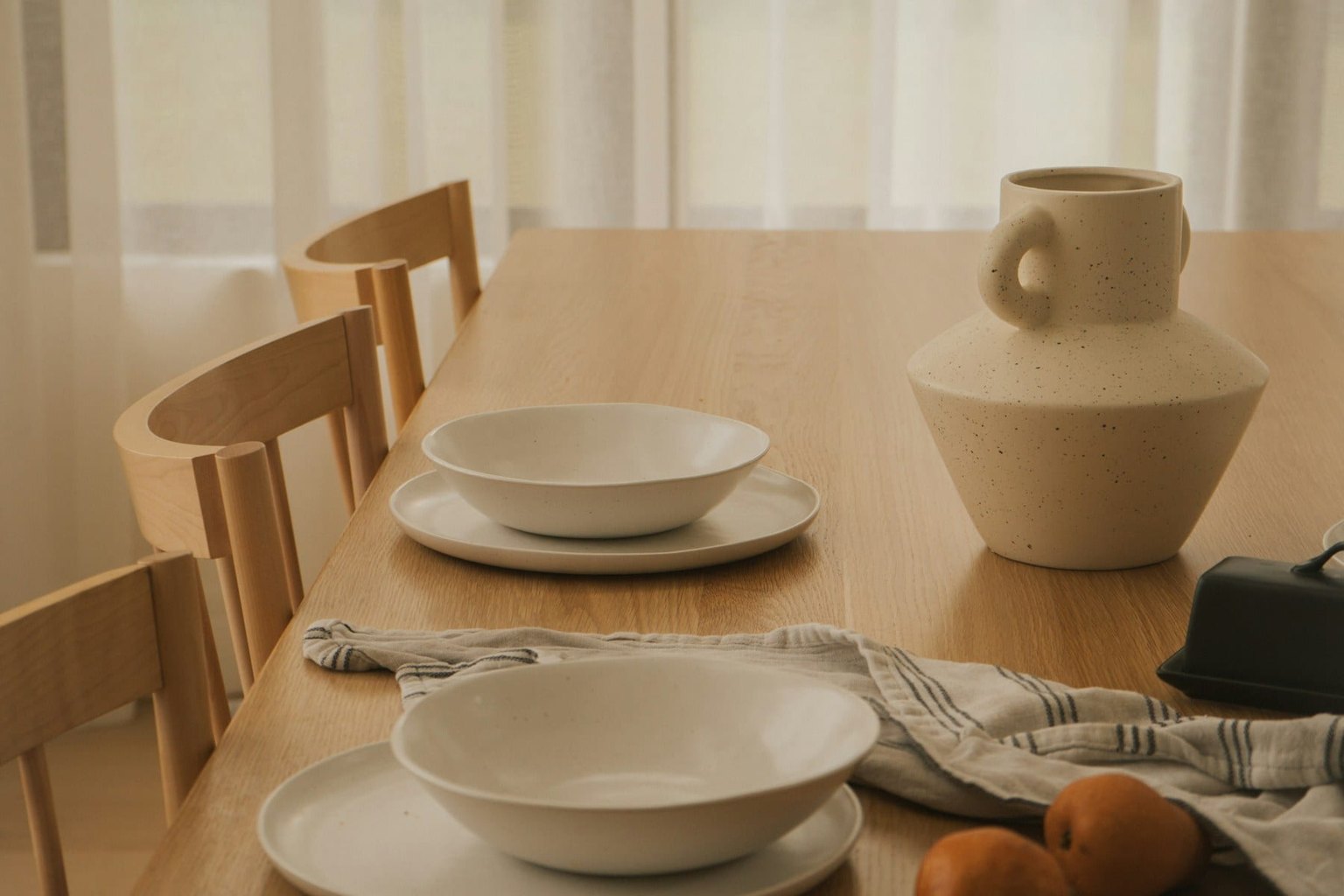
Notes on proportion, spacing and restraint — and why the most memorable tables are usually the emptiest.
The most common mistake in setting a table is treating it as a surface to be covered. A table is a space to be organised, and the organising element is emptiness.
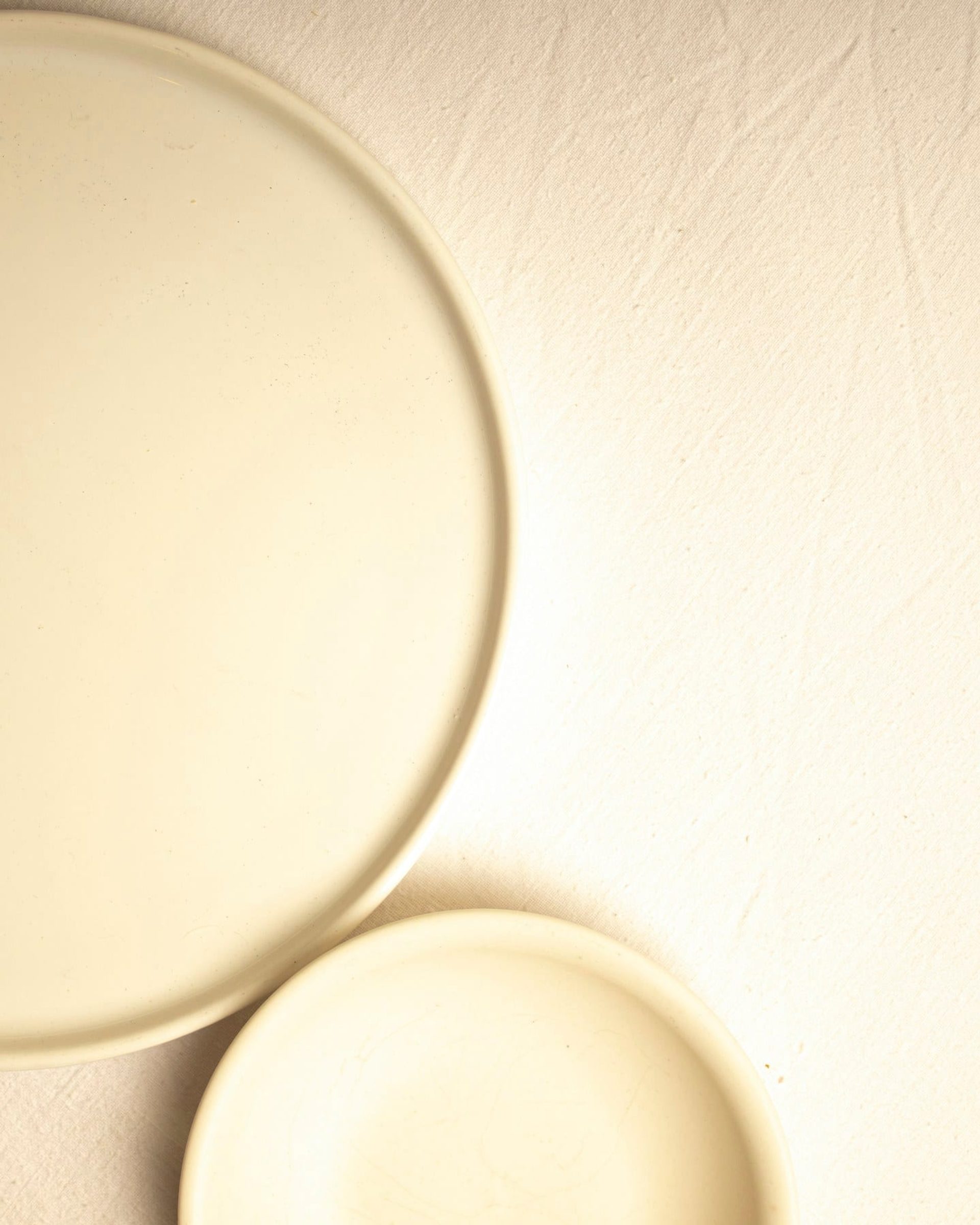
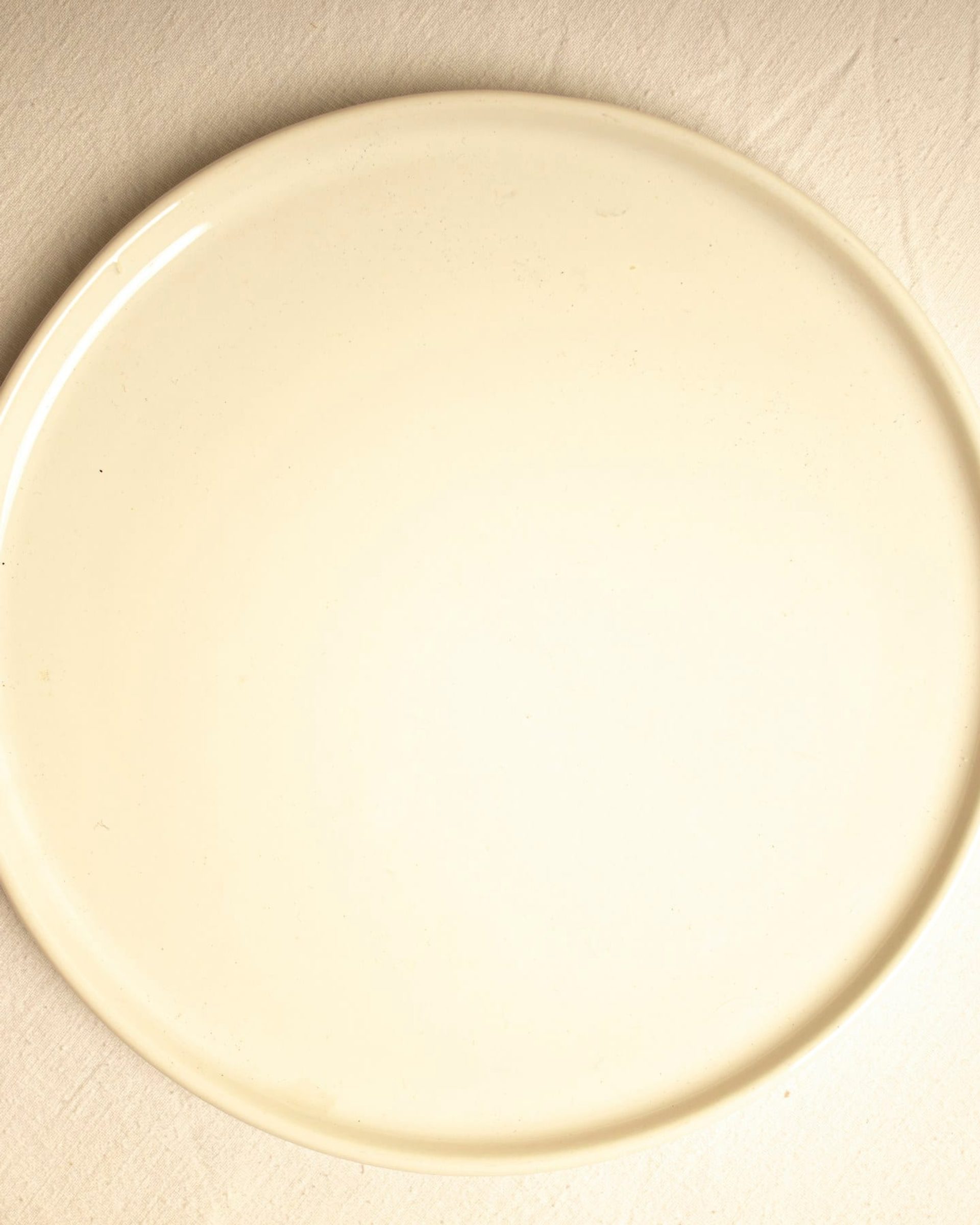
Six settings on a 180 cm table gives each person roughly sixty centimetres of frontage. That is enough for a dinner plate, a side plate offset to the upper left, and a glass — and nothing else without crowding.
Work from the centre out
Place serving pieces first. They determine how much room is genuinely left, and they are the only objects on the table that need to be reached by everyone.
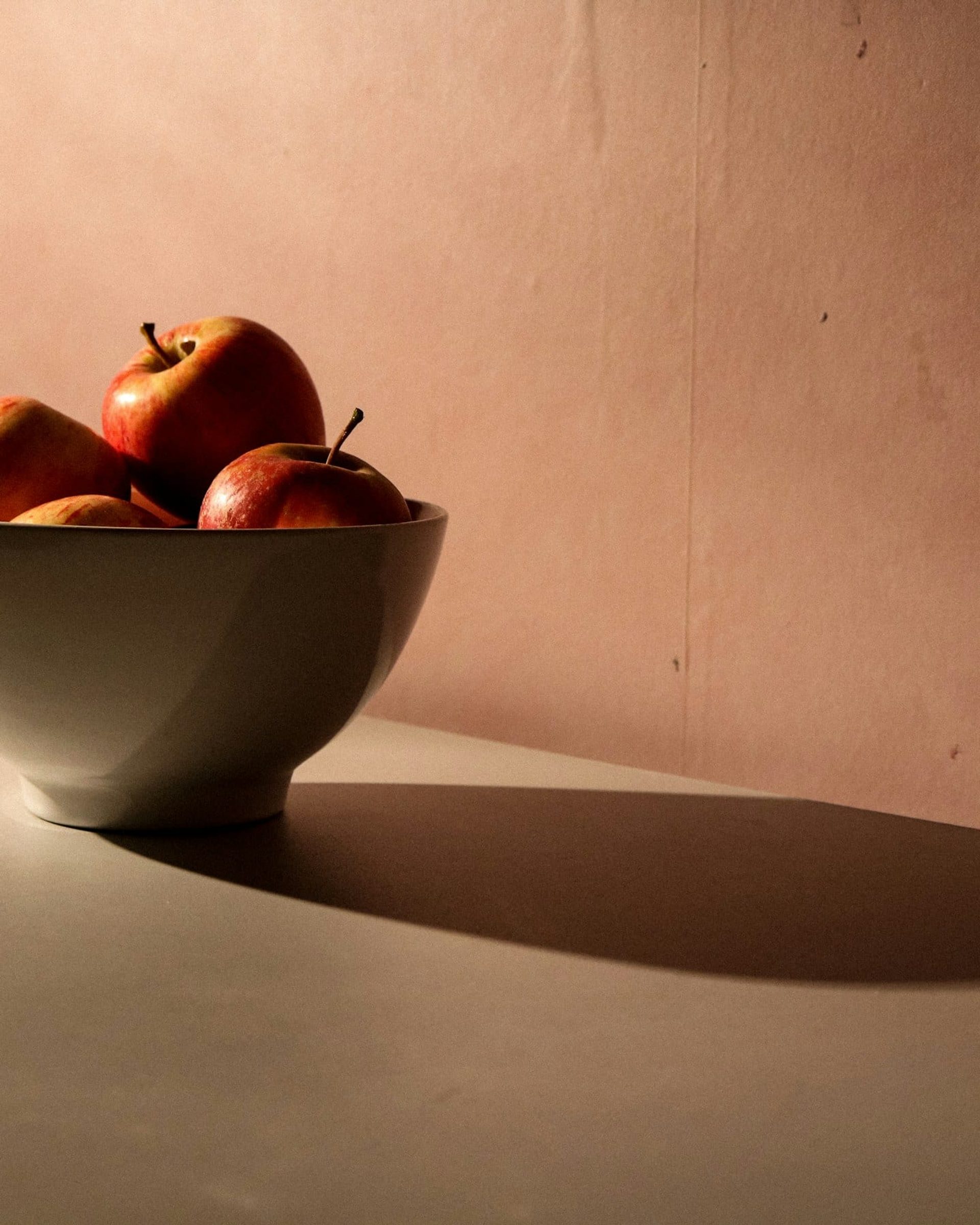
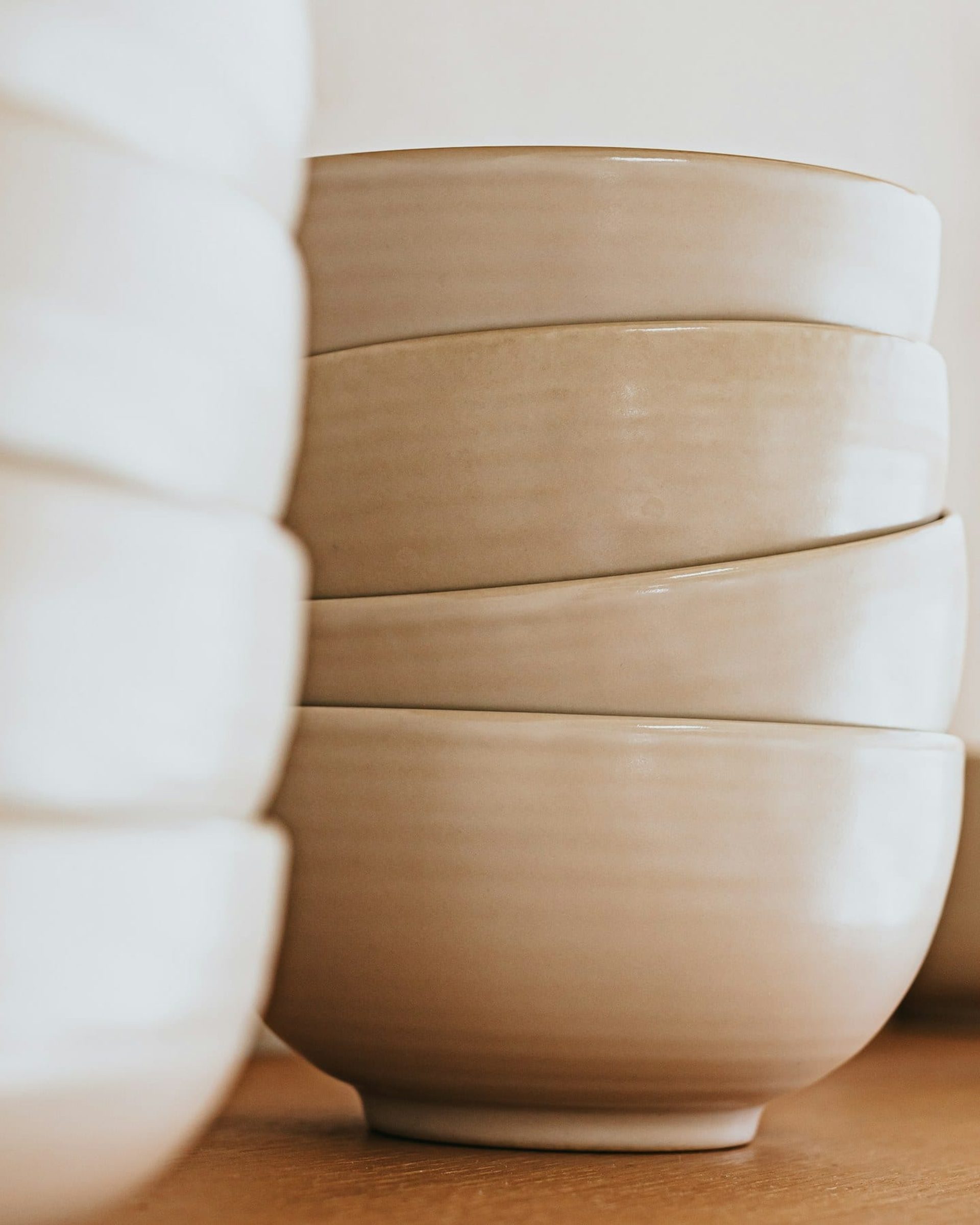
A single large serving bowl reads more generous than three medium ones, occupies less space, and gives the eye somewhere to rest.
Let the material do the decorating
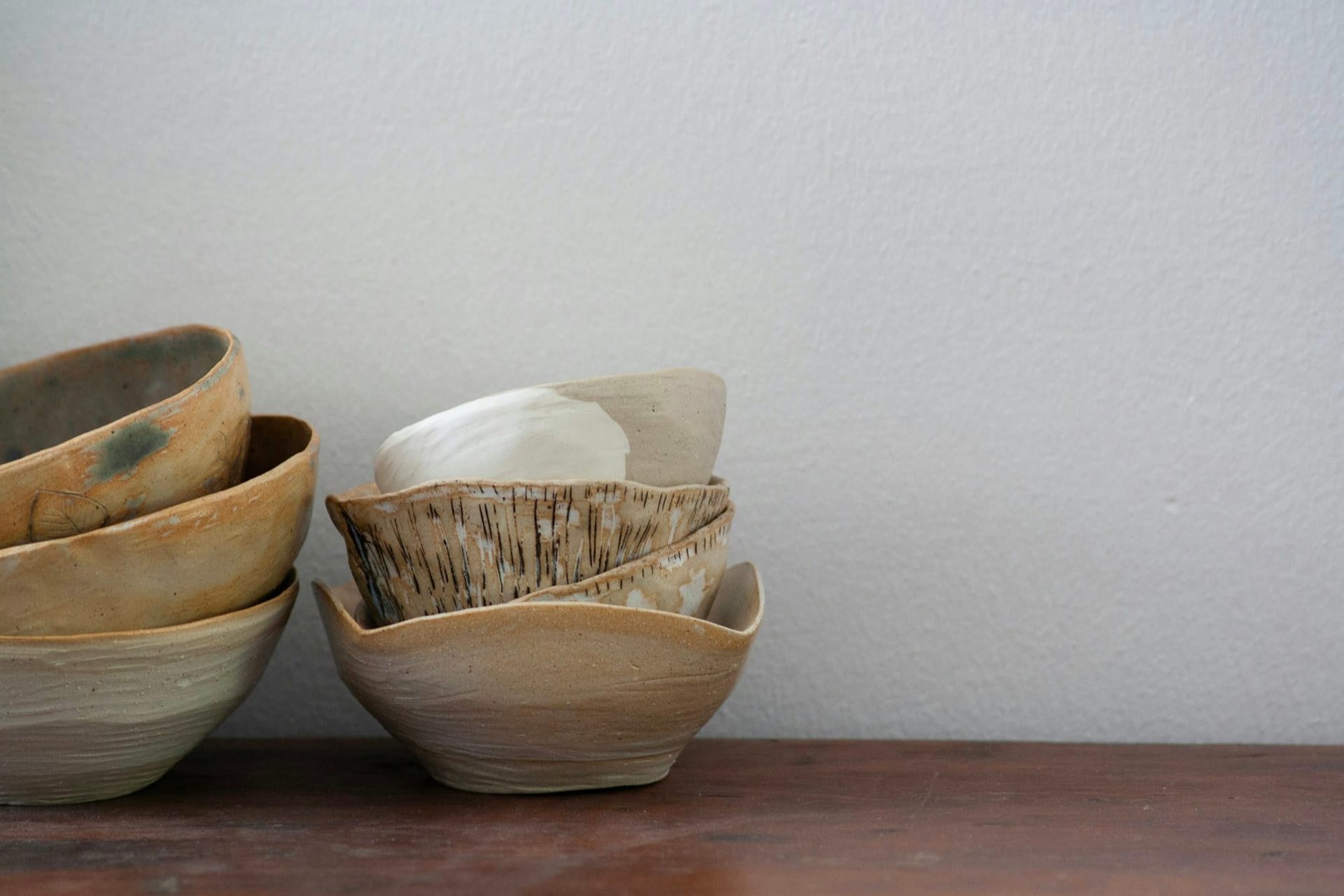
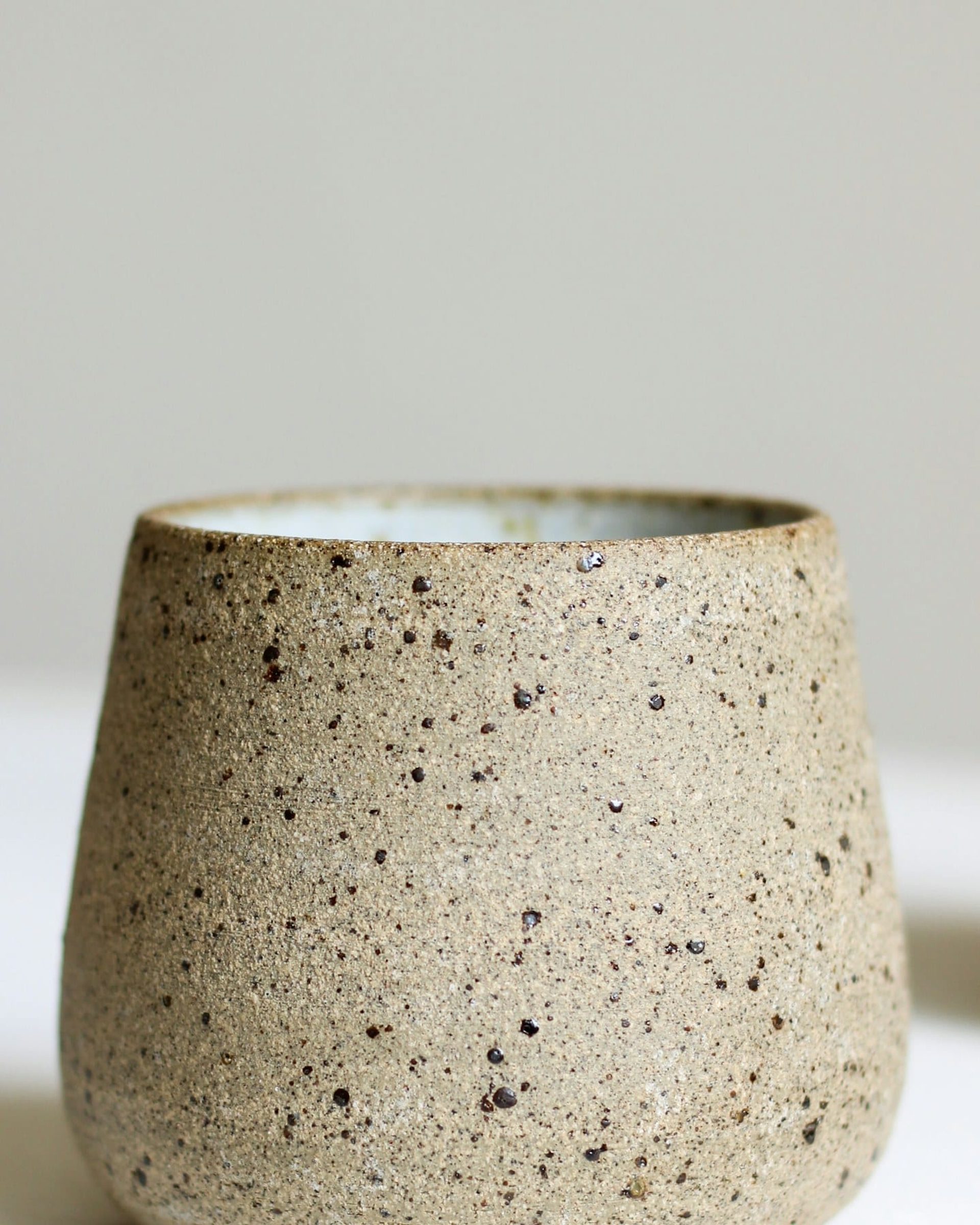
A speckled body under warm light carries enough visual texture that a runner, a charger and a napkin ring become redundant. Choose one textured element and let everything else be plain.
If the table looks slightly under-dressed before the food arrives, it is probably right.
Written by the Classic Ceramics studio. Questions about anything here are welcome —write to us.